 Explorer
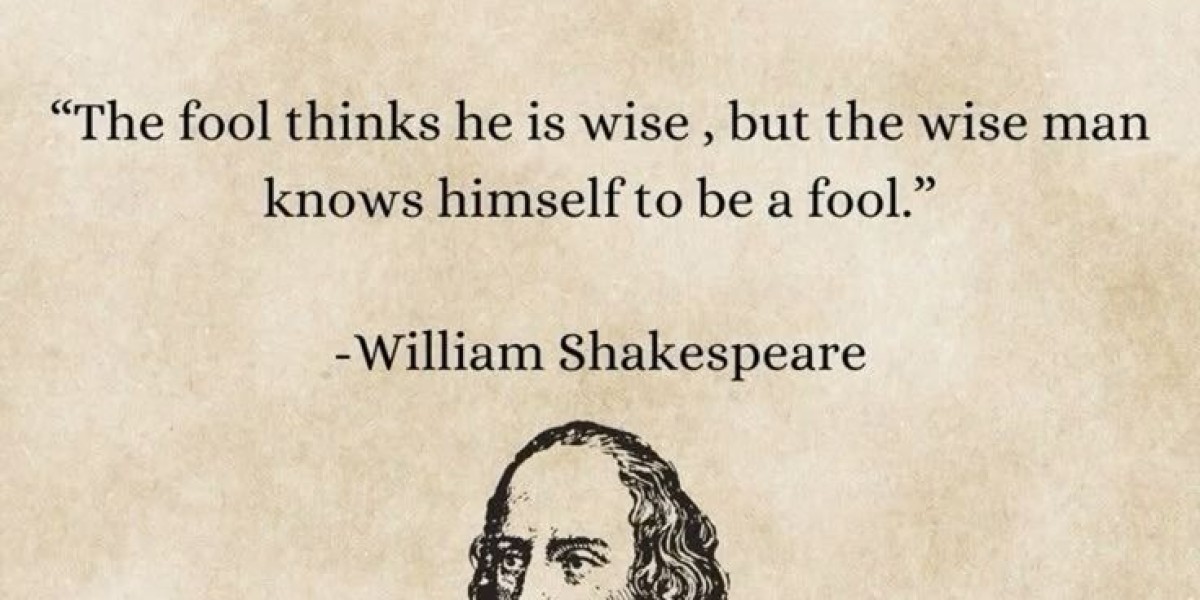
More than 400 years after his death, William Shakespeare remains the most famous and influential writer in the English language. His name is instantly recognizable around the globe, his words are quoted more often than those of almost any other author, and his plays continue to be performed, adapted, and studied in every corner of the world. But who was the man behind the masterpieces, and what is it about his work that continues to captivate us across the centuries?
A Life of Mystery and Fame
Born in Stratford-upon-Avon, England, in 1564, Shakespeare’s life is a fascinating mix of well-documented fact and intriguing mystery. He was the third of eight children born to John Shakespeare, a successful glove-maker and local alderman, and Mary Arden. He likely attended the local grammar school, where he would have received a rigorous education in Latin and the classics—a foundation that would later fuel his plays.
At 18, he married Anne Hathaway, and the couple had three children: Susanna, and twins Hamnet and Judith. Then, in the late 1580s, Shakespeare disappears from the historical record for a few years—a period often referred to by scholars as “the lost years.” He re-emerged around 1592 in London, already making a name for himself as an actor and playwright.
In the teeming creative world of Elizabethan London, Shakespeare flourished. He became a shareholder in the Lord Chamberlain’s Men (later the King’s Men), one of the most successful acting companies of the day. They built their own venue, the famous Globe Theatre, where many of his greatest plays premiered. Shakespeare’s work was immensely popular with audiences from all walks of life, from groundlings who paid a penny to stand in the pit, to royalty like Queen Elizabeth I and King James I. He achieved considerable wealth and success, eventually retiring in comfort to his hometown of Stratford, where he died in 1616 at the age of 52.
The Works That Defined an Era
Shakespeare’s body of work is vast and varied, consisting of at least 37 plays, 154 sonnets, and several longer poems. His creativity can be broadly divided into three main categories:
· Comedies: Plays like A Midsummer Night’s Dream, Twelfth Night, and Much Ado About Nothing are characterized by witty dialogue, intricate plots, mistaken identities, and, of course, joyful (if complicated) weddings. They explore the follies and triumphs of love with a light and often magical touch.
· Histories: Works such as Richard III and the two parts of Henry IV are gripping dramatizations of England’s past. More than just history lessons, they are profound meditations on power, leadership, and the nature of kingship, featuring iconic characters like the roguish Sir John Falstaff.
· Tragedies: This is perhaps his most celebrated category. In plays like Hamlet, King Lear, Macbeth, and Othello, Shakespeare plumbs the darkest depths of the human psyche. He explores ambition, jealousy, madness, and grief with such raw power and psychological insight that these stories feel timeless and universal. The phrase “tragic flaw” was coined to describe the inherent character defect—be it Hamlet’s indecision or Macbeth’s ambition—that leads to the hero’s downfall.
Beyond the plays, his Sonnets are a beautiful and complex exploration of love, beauty, time, and mortality, standing as some of the finest poetry in English literature.
Why “The Bard” Endures
So, what is the secret to Shakespeare’s enduring appeal? Why do we still flock to see plays written in a 400-year-old version of English?
1. His Understanding of Human Nature: This is the heart of his genius. Shakespeare didn’t write characters; he wrote people. Hamlet, with his existential dread and crippling doubt; Lady Macbeth, consumed by ambition and then guilt; the jealous, manipulated Othello—they are not mere figures on a page, but complex, contradictory beings. We see ourselves and the people we know in them. Their struggles with love, loss, jealousy, and ambition are our own.
2. His Mastery of Language: Shakespeare was a linguistic magician. He had an unparalleled vocabulary and a gift for coining new words and phrases. It’s estimated that he introduced over 1,700 words to the English language, from “bedroom” and “eyeball” to “critic” and “swagger.” He gave us timeless expressions like “break the ice,” “wild-goose chase,” “all that glitters is not gold,” and “a heart of gold.” To listen to Shakespeare is to hear the English language at its most powerful and poetic.
3. His Timeless Themes: His stories are about the big things: power, justice, love, death, prejudice, and family. These are themes that resonate with every generation, regardless of time or place. This is why his work can be so easily adapted. We’ve seen Romeo and Juliet reimagined in the musical West Side Story, King Lear in the Japanese epic Ran, and countless films transplant his plots into the modern world.
4. The Enduring Questions: Shakespeare rarely provides easy answers. His plays are full of ambiguity, forcing audiences and readers to ask their own questions. Is Hamlet mad, or just pretending? Is Shylock in The Merchant of Venice a villain or a victim? This complexity ensures that each generation can find new meaning in his work.
In the end, William Shakespeare, the man from Stratford, became “The Bard”—an immortal voice that transcends time. His work remains a mirror held up to our own natures, reminding us of what it means to be human, in all our glory and our failure. And that is a lesson that will never grow old.The Immortal Bard: Why William Shakespeare Still Matters
More than 400 years after his death, William Shakespeare remains the most famous and influential writer in the English language. His name is instantly recognizable around the globe, his words are quoted more often than those of almost any other author, and his plays continue to be performed, adapted, and studied in every corner of the world. But who was the man behind the masterpieces, and what is it about his work that continues to captivate us across the centuries?
A Life of Mystery and Fame
Born in Stratford-upon-Avon, England, in 1564, Shakespeare’s life is a fascinating mix of well-documented fact and intriguing mystery. He was the third of eight children born to John Shakespeare, a successful glove-maker and local alderman, and Mary Arden. He likely attended the local grammar school, where he would have received a rigorous education in Latin and the classics—a foundation that would later fuel his plays.
At 18, he married Anne Hathaway, and the couple had three children: Susanna, and twins Hamnet and Judith. Then, in the late 1580s, Shakespeare disappears from the historical record for a few years—a period often referred to by scholars as “the lost years.” He re-emerged around 1592 in London, already making a name for himself as an actor and playwright.
In the teeming creative world of Elizabethan London, Shakespeare flourished. He became a shareholder in the Lord Chamberlain’s Men (later the King’s Men), one of the most successful acting companies of the day. They built their own venue, the famous Globe Theatre, where many of his greatest plays premiered. Shakespeare’s work was immensely popular with audiences from all walks of life, from groundlings who paid a penny to stand in the pit, to royalty like Queen Elizabeth I and King James I. He achieved considerable wealth and success, eventually retiring in comfort to his hometown of Stratford, where he died in 1616 at the age of 52.
The Works That Defined an Era
Shakespeare’s body of work is vast and varied, consisting of at least 37 plays, 154 sonnets, and several longer poems. His creativity can be broadly divided into three main categories:
· Comedies: Plays like A Midsummer Night’s Dream, Twelfth Night, and Much Ado About Nothing are characterized by witty dialogue, intricate plots, mistaken identities, and, of course, joyful (if complicated) weddings. They explore the follies and triumphs of love with a light and often magical touch.
· Histories: Works such as Richard III and the two parts of Henry IV are gripping dramatizations of England’s past. More than just history lessons, they are profound meditations on power, leadership, and the nature of kingship, featuring iconic characters like the roguish Sir John Falstaff.
· Tragedies: This is perhaps his most celebrated category. In plays like Hamlet, King Lear, Macbeth, and Othello, Shakespeare plumbs the darkest depths of the human psyche. He explores ambition, jealousy, madness, and grief with such raw power and psychological insight that these stories feel timeless and universal. The phrase “tragic flaw” was coined to describe the inherent character defect—be it Hamlet’s indecision or Macbeth’s ambition—that leads to the hero’s downfall.
Beyond the plays, his Sonnets are a beautiful and complex exploration of love, beauty, time, and mortality, standing as some of the finest poetry in English literature.
Why “The Bard” Endures
So, what is the secret to Shakespeare’s enduring appeal? Why do we still flock to see plays written in a 400-year-old version of English?
1. His Understanding of Human Nature: This is the heart of his genius. Shakespeare didn’t write characters; he wrote people. Hamlet, with his existential dread and crippling doubt; Lady Macbeth, consumed by ambition and then guilt; the jealous, manipulated Othello—they are not mere figures on a page, but complex, contradictory beings. We see ourselves and the people we know in them. Their struggles with love, loss, jealousy, and ambition are our own.
2. His Mastery of Language: Shakespeare was a linguistic magician. He had an unparalleled vocabulary and a gift for coining new words and phrases. It’s estimated that he introduced over 1,700 words to the English language, from “bedroom” and “eyeball” to “critic” and “swagger.” He gave us timeless expressions like “break the ice,” “wild-goose chase,” “all that glitters is not gold,” and “a heart of gold.” To listen to Shakespeare is to hear the English language at its most powerful and poetic.
3. His Timeless Themes: His stories are about the big things: power, justice, love, death, prejudice, and family. These are themes that resonate with every generation, regardless of time or place. This is why his work can be so easily adapted. We’ve seen Romeo and Juliet reimagined in the musical West Side Story, King Lear in the Japanese epic Ran, and countless films transplant his plots into the modern world.
4. The Enduring Questions: Shakespeare rarely provides easy answers. His plays are full of ambiguity, forcing audiences and readers to ask their own questions. Is Hamlet mad, or just pretending? Is Shylock in The Merchant of Venice a villain or a victim? This complexity ensures that each generation can find new meaning in his work.
In the end, William Shakespeare, the man from Stratford, became “The Bard”—an immortal voice that transcends time. His work remains a mirror held up to our own natures, reminding us of what it means to be human, in all our glory and our failure. And that is a lesson that will never grow old.